Archives
- 2026-09
- 2026-08
- 2026-07
- 2026-06
- 2026-05
- 2026-04
- 2026-03
- 2026-02
- 2026-01
- 2025-12
- 2025-11
- 2025-10
- 2025-09
- 2025-03
- 2025-02
- 2025-01
- 2024-12
- 2024-11
- 2024-10
- 2024-09
- 2024-08
- 2024-07
- 2024-06
- 2024-05
- 2024-04
- 2024-03
- 2024-02
- 2024-01
- 2023-12
- 2023-11
- 2023-10
- 2023-09
- 2023-08
- 2023-07
- 2023-06
- 2023-05
- 2023-04
- 2023-03
- 2023-02
- 2023-01
- 2022-12
- 2022-11
- 2022-10
- 2022-09
- 2022-08
- 2022-07
- 2022-06
- 2022-05
- 2022-04
- 2022-03
- 2022-02
- 2022-01
-
br HIF Blockade in AA Therapy
2023-08-22

HIF-α Blockade in AA Therapy In lieu of the evidence supporting a central role for HIF-α signaling in tumor angiogenesis and CC pathobiology, significant efforts have focused on the discovery of small-molecule HIF-α inhibitors (for exhaustive compendia, see [28,44,45]). In brief, inhibitors vary
-
br AR signals and chemosensitivity
2023-08-22
AR signals and chemosensitivity in urothelial cancer A significant amount of patients with urothelial cancer fail to respond to cisplatin-based systemic chemotherapy, although it remains the mainstay of successful management of advanced disease. However, underlying mechanisms for chemoresistance
-
Recent work has detailed the impact of genetic deletion
2023-08-22
Recent work has detailed the impact of genetic NHS Biotin of AMPK in the liver, revealing only minor phenotypes upon removal in mice (Boudaba et al., 2018). However, these studies very elegantly showed the potential for small molecule-mediated activation of AMPK to elicit large changes in lipid met
-
Peramivir br Experimental section br Results and discussion
2023-08-22

Experimental section Results and discussion Conclusion Acknowledgement This work was supported by the National Natural Science Foundation of China (Grant Nos. 81401489), the Shanghai Pujiang Program (17PJ1402800) and the Shanghai Sailing Program (Grant No. 14YF1409000). Introduction
-
Salivary amylase activity was not significantly different be
2023-08-21
Salivary α-amylase activity was not significantly different between bitches with pyometra and healthy bitches, and there were no significant changes after ovariohysterectomy, similar to chromogranin A (Jitpean et al., 2015). Therefore, it is postulated that the SAM axis is not activated in bitches w
-
Concerning asthma in a study evaluating the effect of
2023-08-21
Concerning asthma, in a study evaluating the effect of tiotropium in severe asthma, the sputum eosinophil count and exhaled nitric oxide were also assessed. However, evaluation of the anti-inflammatory effect of tiotropium was difficult because these markers were low at baseline and thereafter. In a
-
Earlier studies showed that exposure
2023-08-21
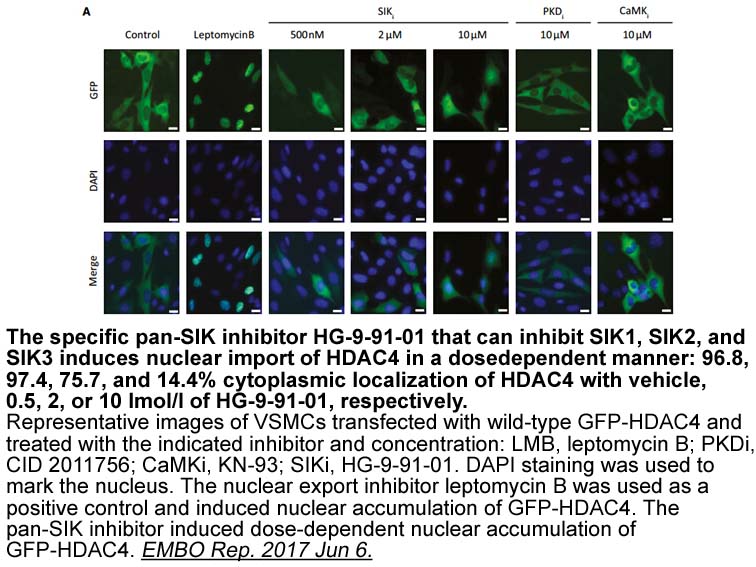
Earlier studies showed that exposure of cells to IR caused ATM-dependent phosphorylation of 53BP1, as judged by electrophoretic mobility shift [24], [25], [26]. To date, the only known in vivo 53BP1 phosphorylation site(s) are Ser25 and possibly Ser29 [27]. In the course of our studies, we noticed t
-
To circumvent these issues multiple approaches have been dev
2023-08-21

To circumvent these issues, multiple approaches have been developed that target small fractions of the genome, thus reducing the sequencing burden (Dostie et al., 2006; Fullwood et al., 2009; Mumbach et al., 2016). Application of one such approach, chromosome conformation capture carbon copy (5C), w
-
Although the gene that encodes DHFR has been strongly
2023-08-21

Although the gene that encodes DHFR has been strongly conserved during evolution, subtle differences in the active sites of bacterial, human and parasite Fmoc-Gln(Trt)-OH australia have been exploited to develop DHFR inhibitors specific to particular pathogens 1, 3. For example, pyrimethamine and c
-
br Conflict of interest statement br Introduction Currently
2023-08-18

Conflict of interest statement Introduction Currently, adenocarcinoma is the most common histological subtype of lung cancer. Activating mutations and translocations with a potential for targeted therapy are reported predominantly in non-smokers. ALK rearrangement is found in less than 5% of u
-
Within the PARP family TIPARP is
2023-08-18
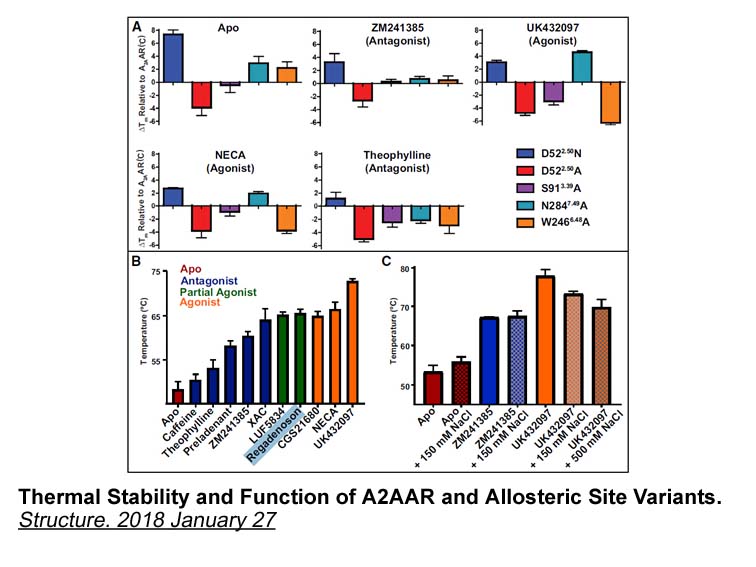
Within the PARP family, TIPARP is most evolutionarily conserved with PARP12 (ARTD12) and PARP13 (ARTD13) [27,28,41]. All three proteins contain at least one RNA-type CCCH zinc finger domain, a poly-ADP-ribose binding WWE domain and a PARP catalytic domain (Fig. 1). PARP13 is catalytically inactive,
-
agonists simulate norepinephrine NE in binding to presynapti
2023-08-18
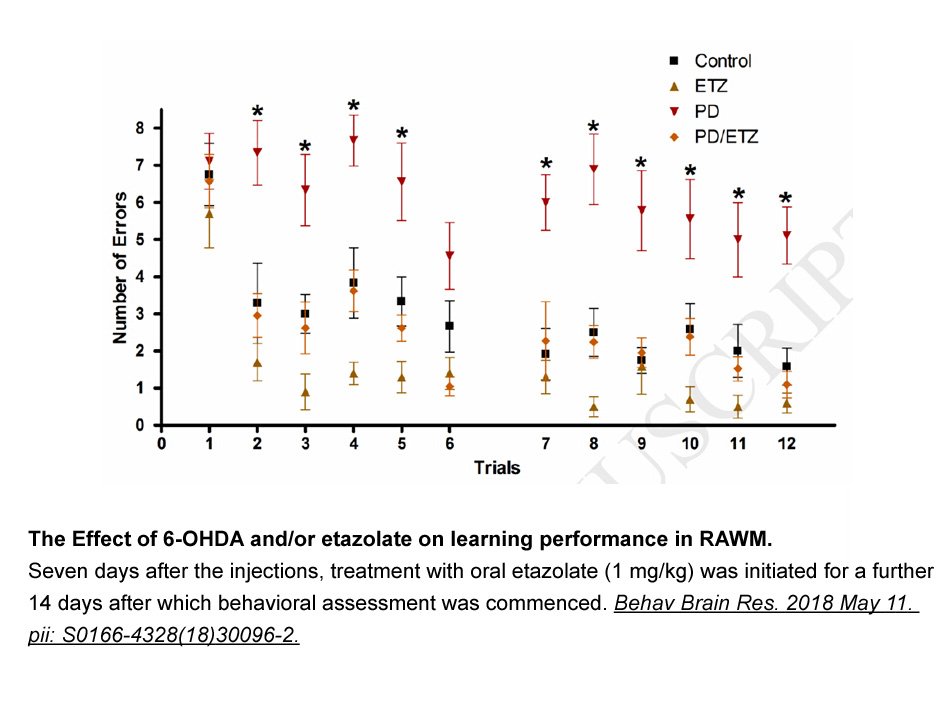
α2 agonists simulate norepinephrine (NE) in binding to presynaptic surface autoreceptors, which in turn mediates feedback inhibition of NE release. Another major control mechanism for noradrenergic neurotransmission is termination of signaling by presynaptic NE transporter (NET)-mediated NE reuptake
-
oxytocin receptor The enzyme mediated ATP sensing
2023-08-18
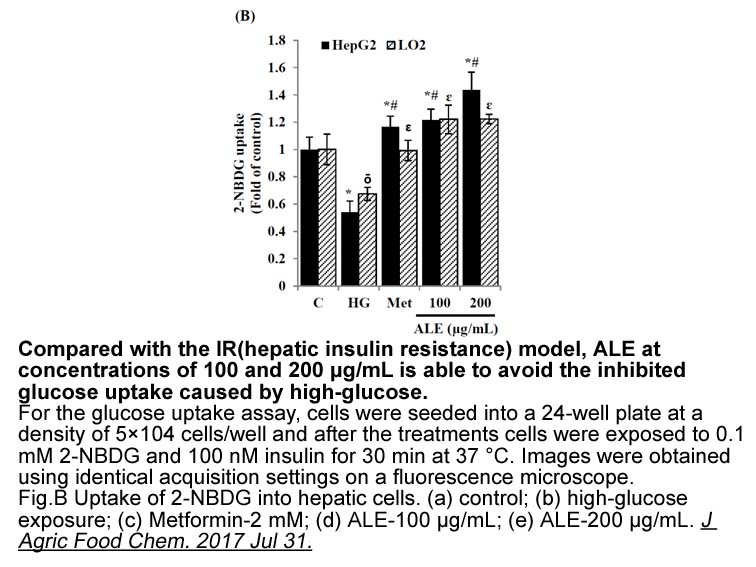
The enzyme-mediated ATP-sensing mechanism in zebrafish can be compared with previous studies in other animal species reporting that enzymatic conversion of chemicals in the peripheral olfactory organ results in either “activation” or “inactivation” of odorants and pheromones. In male silkmoth, the a
-
The ARHL locus ahl that contributes to the hearing loss
2023-08-18
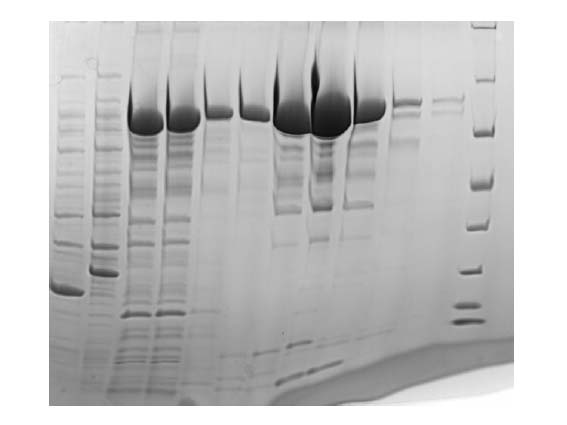
The ARHL locus (ahl) that contributes to the hearing loss in the C57BL/6J mouse has been mapped to chromosome 10 (Erway et al., 1993, Johnson et al., 1997). It has been shown that strains susceptible to early onset ARHL carry a specific mutation in the cadherin 23 gene (Cdh23), which encodes a compo
-
A 779 br Acknowledgments This work was supported by a
2023-08-18
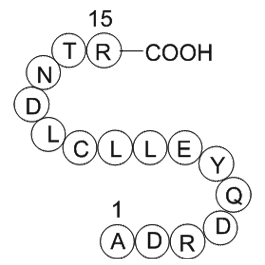
Acknowledgments This work was supported by a grant of the Romanian National Authority for Scientific Research, CNCS – UEFISCDI, project no. PN-II-ID-PCE-2011-3-0571, awarded to F.A.M. D.V.N. was co-financed from the European Social Fund through Sectorial Operational Program Human Resources Develo
8618 records 334/575 page Previous Next First page 上5页 331332333334335 下5页 Last page