Archives
- 2026-11
- 2026-10
- 2026-09
- 2026-08
- 2026-07
- 2026-06
- 2026-05
- 2026-04
- 2026-03
- 2026-02
- 2026-01
- 2025-12
- 2025-11
- 2025-10
- 2025-09
- 2025-03
- 2025-02
- 2025-01
- 2024-12
- 2024-11
- 2024-10
- 2024-09
- 2024-08
- 2024-07
- 2024-06
- 2024-05
- 2024-04
- 2024-03
- 2024-02
- 2024-01
- 2023-12
- 2023-11
- 2023-10
- 2023-09
- 2023-08
- 2023-07
- 2023-06
- 2023-05
- 2023-04
- 2023-03
- 2023-02
- 2023-01
- 2022-12
- 2022-11
- 2022-10
- 2022-09
- 2022-08
- 2022-07
- 2022-06
- 2022-05
- 2022-04
- 2022-03
- 2022-02
- 2022-01
br Experimental procedures br Results
2024-10-09
Experimental procedures Results Discussion Although previous studies have indicated that astrocyte aromatase plays a role in nociceptive processes (O'Brien et al., 2015, Smeester et al., 2016), the mechanisms responsible for the regulation of aromatase and its involvement in nociception rem
A different mechanism has been suggested for
2024-10-09
A different mechanism has been suggested for the role of TRX1 in ASK1 regulation based on disulfide bond-mediated ASK1 multimerization and its reduction through the thiol-reductase activity of TRX1 (Nadeau et al., 2007, Nadeau et al., 2009). In this model, oxidative stress induces intermolecular dis
Apelin APJ triggers a variety of cellular
2024-10-09
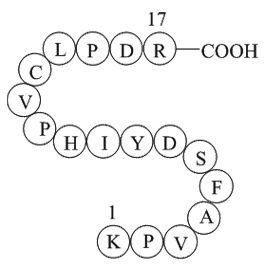
Apelin/APJ triggers a variety of cellular signaling pathways (Fig. 1). Recent studies from our laboratory showed that apelin-13 induces vascular smooth muscle cell (VSMC) proliferation by the upregulation of Cyclin D1 expression, which is involved in an ERK-dependent activation of Jagged-1/Notch3 si
Evidence from basic science studies suggests that Cd may
2024-10-09
Evidence from basic science studies suggests that Cd may play a role in prostate cancer through disruption of the androgen receptor (AR). AR, a hormone-activated transcription factor, is the key driver of prostate cancer progression [6]. Ironically, the AR is also required for normal prostate growth
As one of emerging high throughout methods
2024-10-08

As one of emerging high-throughout methods, metabolomics detects metabolites which are ultimate response of biological systems to environmental changes [14]. Metabolomics uncovers metabolic alteration at the systems level. Comparison of global metabolic profiling reflects some unidentified biologica
The aldehyde reductase AKR A and aldose reductase
2024-10-08
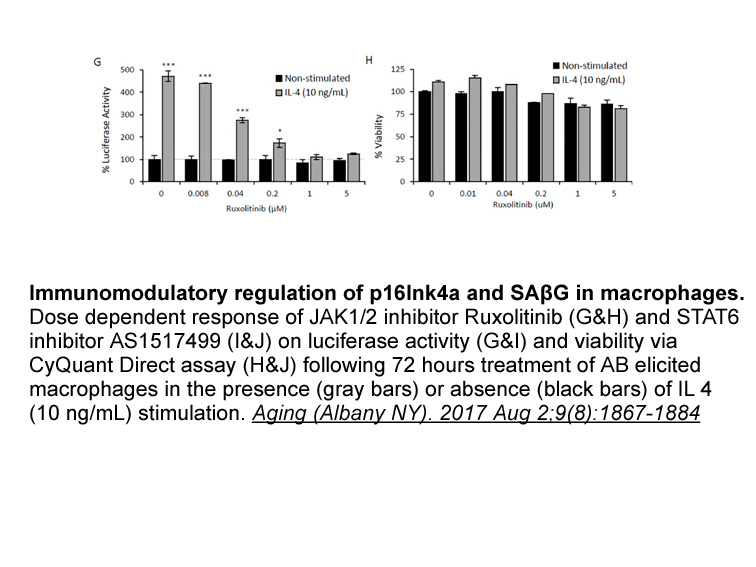
The aldehyde reductase (AKR1A1) and aldose reductase (AKR1B1) belong to aldo-ketoreductase (AKR) superfamily catalyzing the reduction of corresponding aldehydes and ketones involved. Both the closely related enzymes AKR1A1 and AKR1B1 have 65% structural similarity and differ only at the active site.
br Material and methods br Results br Discussion To
2024-10-08
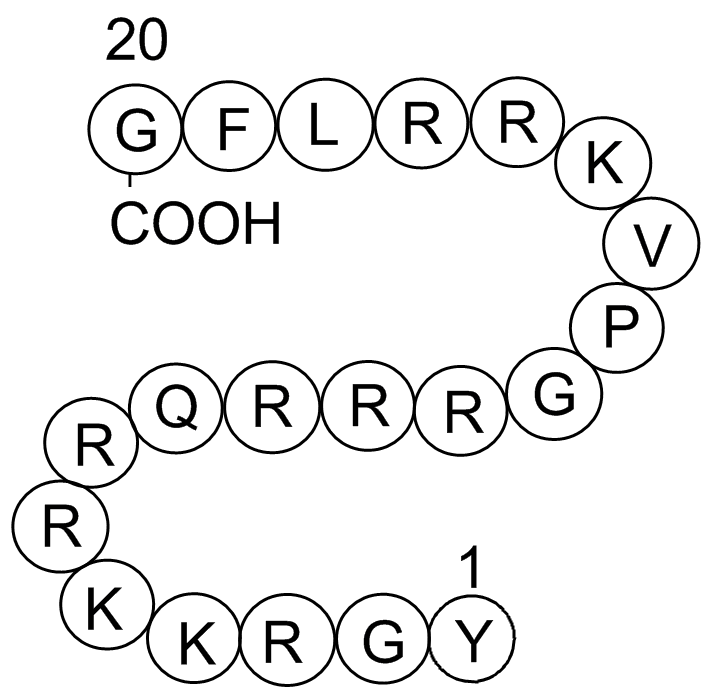
Material and methods Results Discussion To develop a novel regenerative and/or neuroprotective therapy for optic neuropathy, including glaucoma, numerous studies have tested new candidates favorable to RGC survival and axon regeneration. Among the many candidate drugs, AdoR modulators are o
Although the mechanisms of APP
2024-10-08
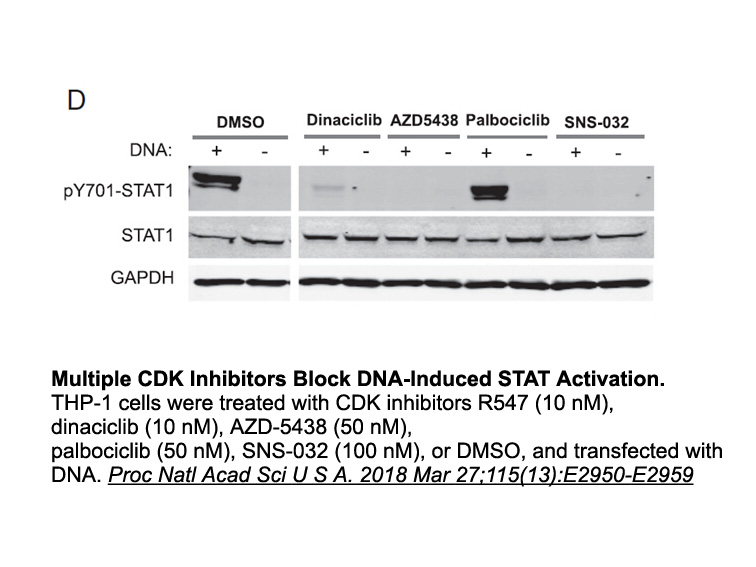
Although the mechanisms of APP secretion are well characterised (for review see Ref. [1]), production of soluble AChE species is less well understood although we have reported that a metalloproteinase can shed AChE similarly to APP [16], [17]. Recently it has also been demonstrated that cellular pre
Osteocytes the most abundant cells in an adult
2024-10-08
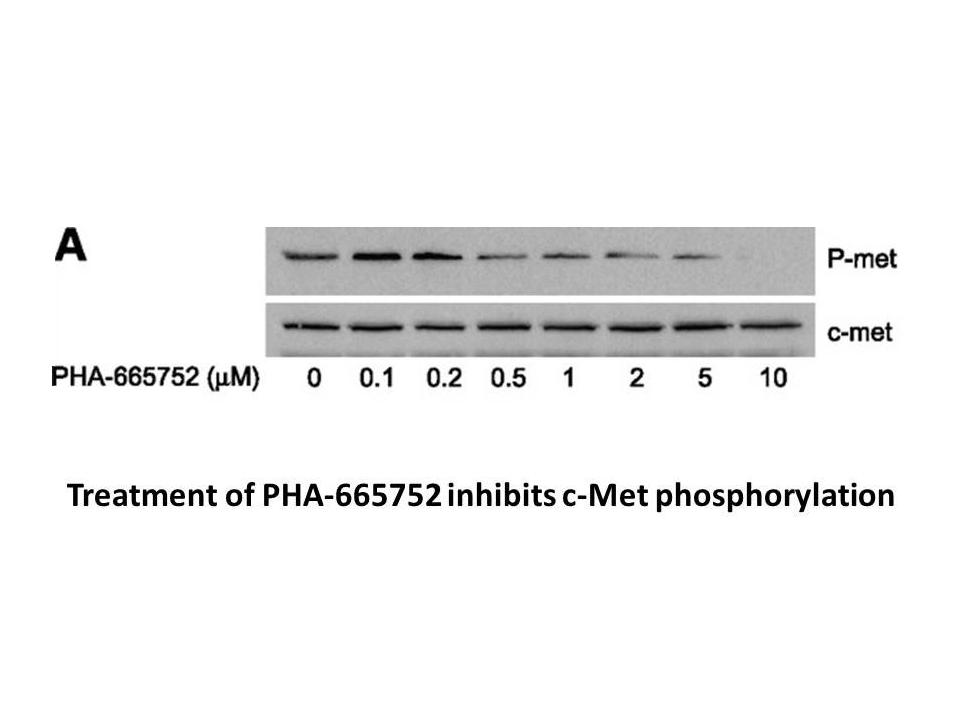
Osteocytes, the most abundant cells in an adult skeleton, are essentially mature osteoblasts that are surrounded by the products they secreted (Noble and Reeve, 2000). Osteocytes serve as mechanosensors that direct bone remodeling and that regulate the activities of osteoblasts and osteoclasts (Bone
Compounds were profiled for their inhibitory activity
2024-10-08
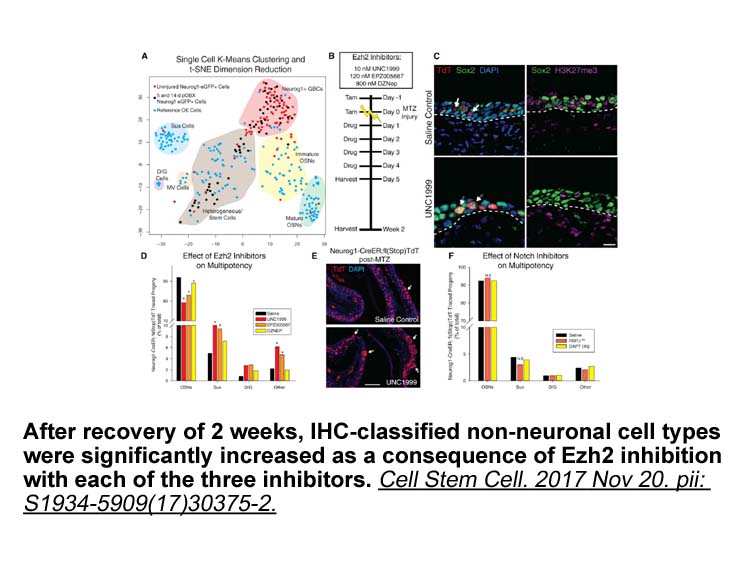
Compounds – were profiled for their inhibitory activity against dipeptidyl peptidase-IV Activity and/or Structure Homologues (DASH) [e.g. DPP2, DPP8 and DPP9] and non-DASH [eg. post-proline cleaving enzyme (PPCE), neutral endopeptidase (NEP), aminopeptidase P (APP), aminopeptidase N (APN)] enzymes.
br Cytochrome b br Cytochrome P
2024-10-08
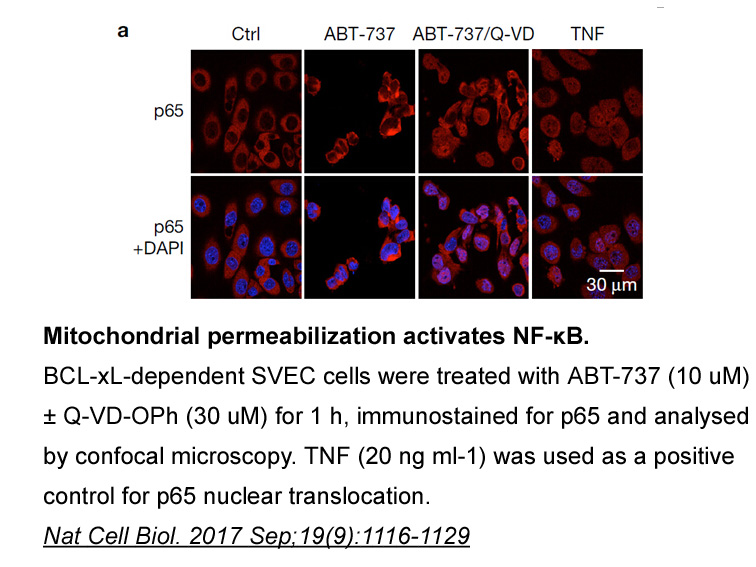
Cytochrome b5 Cytochrome P450 17α-hydroxylase/17,20-lyase (P450 17A1) A number of P450s involved in steroid biosynthesis are multifunctional as they carry out two or more sequential hydroxylation reactions on the same substrate(s). P450 17A1 is a dual function endoplasmic reticulum enzyme enco
The main function of ATR CHK signaling is activating cell
2024-10-08
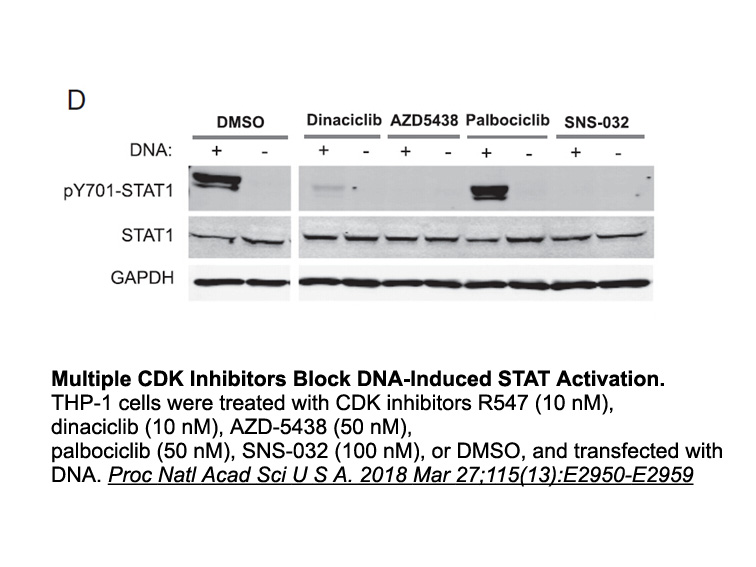
The main function of ATR/CHK1 signaling is activating 16,16-Dimethyl Prostaglandin E2 synthesis checkpoint arrest for S and G2 phases in mammalian cells. There are three checkpoints in response to DNA damage: G1/S, G2/M, and S-phase. The G2/M checkpoint can prevent cells that incur DNA damage in G2
To circumvent these issues multiple approaches have been dev
2024-10-08
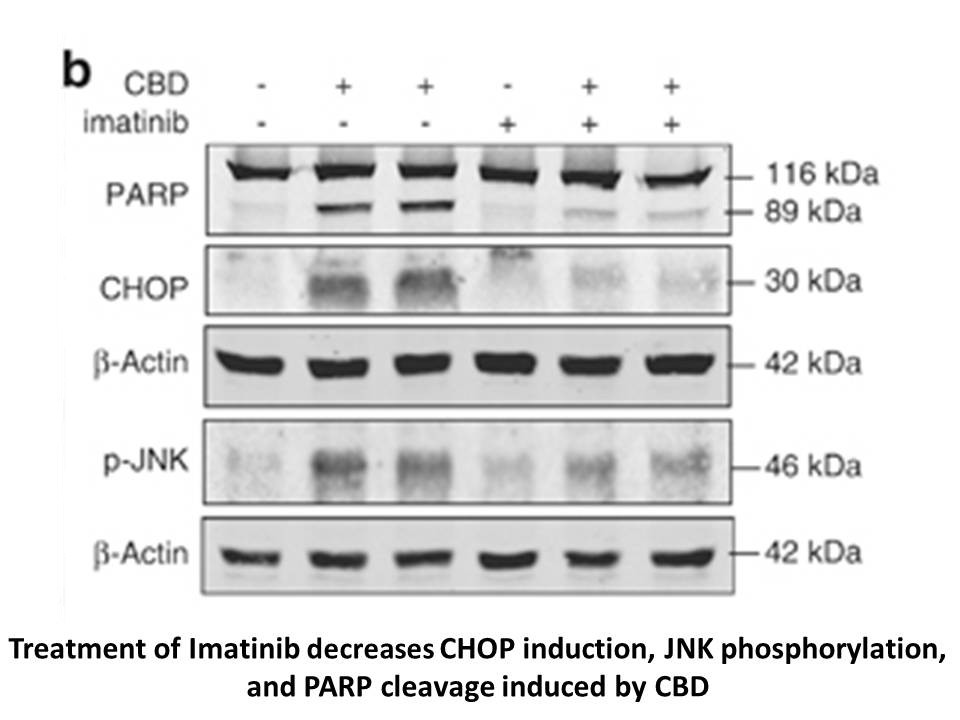
To circumvent these issues, multiple approaches have been developed that target small fractions of the genome, thus reducing the sequencing burden (Dostie et al., 2006; Fullwood et al., 2009; Mumbach et al., 2016). Application of one such approach, chromosome conformation capture carbon copy (5C), w
AP activity is increased by
2024-10-08
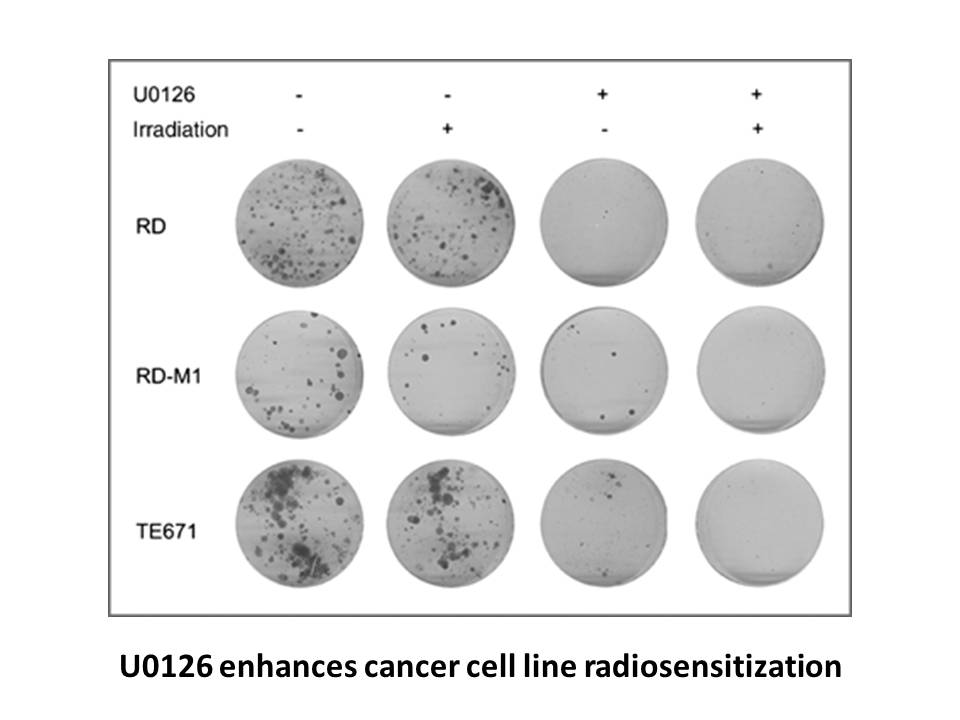
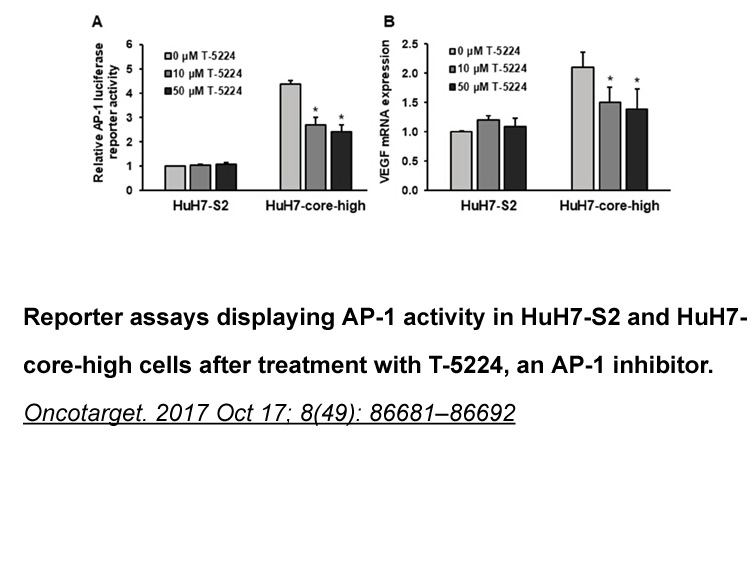
AP-1 activity is increased by MAP kinase stimulation in different cell types (Whitmarsh and Davis, 1996), while MKP-1, the enzyme that catalyzes the dephosphorylation and inactivation of MAP kinases in the nucleus, inhibits AP-1 (Rössler et al., 2008, Rössler and Thiel, 2009, Mayer et al., 2011, Thi
gamma-Glu-Cys Several combination studies have been performe
2024-10-08
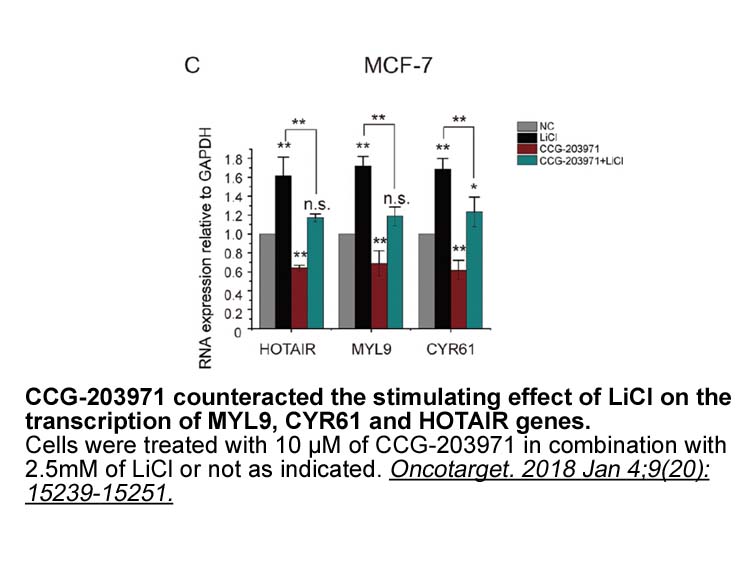
Several combination studies have been performed using animal models of mucormycosis, principally involving R. arrhizus. In two investigations using diabetic and/or neutropenic mice, a combination of a polyene with an echinocandin was shown to improve survival compared with monotherapies [25], [34].
8705 records 113/581 page Previous Next First page 上5页 111112113114115 下5页 Last page